Walk almost anywhere today, and you'll see people taking photographs with their phones. Whether it's a mountain view, a village square, a wildflower beside the path, or simply a group photo at the end of a walk, the smartphone has become the camera most of us carry.
It's easy to see why. Modern phones take remarkably good photographs, they're always within reach, and each new generation seems capable of things that would have required expensive camera equipment not so long ago.
Which raises an interesting question. If phone cameras have become this good, is there still a place for a dedicated camera?
By "dedicated camera," I mean a DSLR (Digital Single-Lens Reflex) or mirrorless camera with interchangeable lenses, rather than a smartphone.
The answer, perhaps unsurprisingly, is yes and no.
Why Smartphone Photos Look So Good
One of the reasons modern phones produce such impressive results is that they do far more than simply take a photograph.
Each photo is processed with advanced software. Sometimes, several exposures are blended into one. The phone brightens shadows, recovers highlights, boosts colours, reduces noise, and sharpens details, often before you even notice the picture is taken. The result is a photograph that looks polished and vibrant straight from the device.
For everyday photography, this is often exactly what people want.
Why Camera Sensors Still Matter
Even with all these improvements, smartphones still face one big limitation: the laws of physics.
DSLR and mirrorless cameras often have much bigger sensors than even the best smartphones. Bigger sensors capture more light, which usually means better image quality, especially in tough conditions.
On a bright spring morning in Andalucía, the difference between a smartphone and a dedicated camera may be surprisingly small. Whether you're walking among the olive groves around Archidona or crossing the limestone plateau of El Torcal, both offer excellent photographic opportunities.
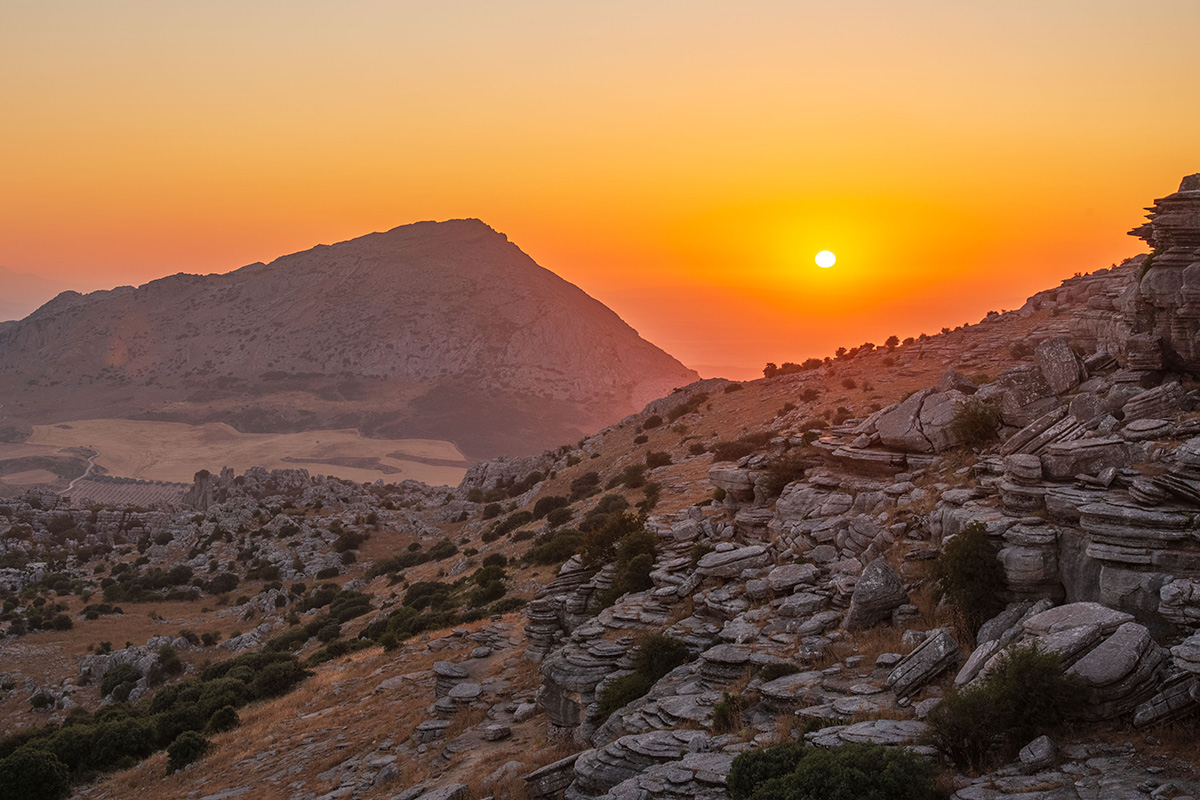
The difference becomes more obvious when the light is less forgiving. At sunset in El Torcal or at sunrise at the Tajos de Gomer cliffs, a larger sensor can retain more detail in both shadows and highlights. This usually gives you a more natural-looking photo with smoother tones and more depth.
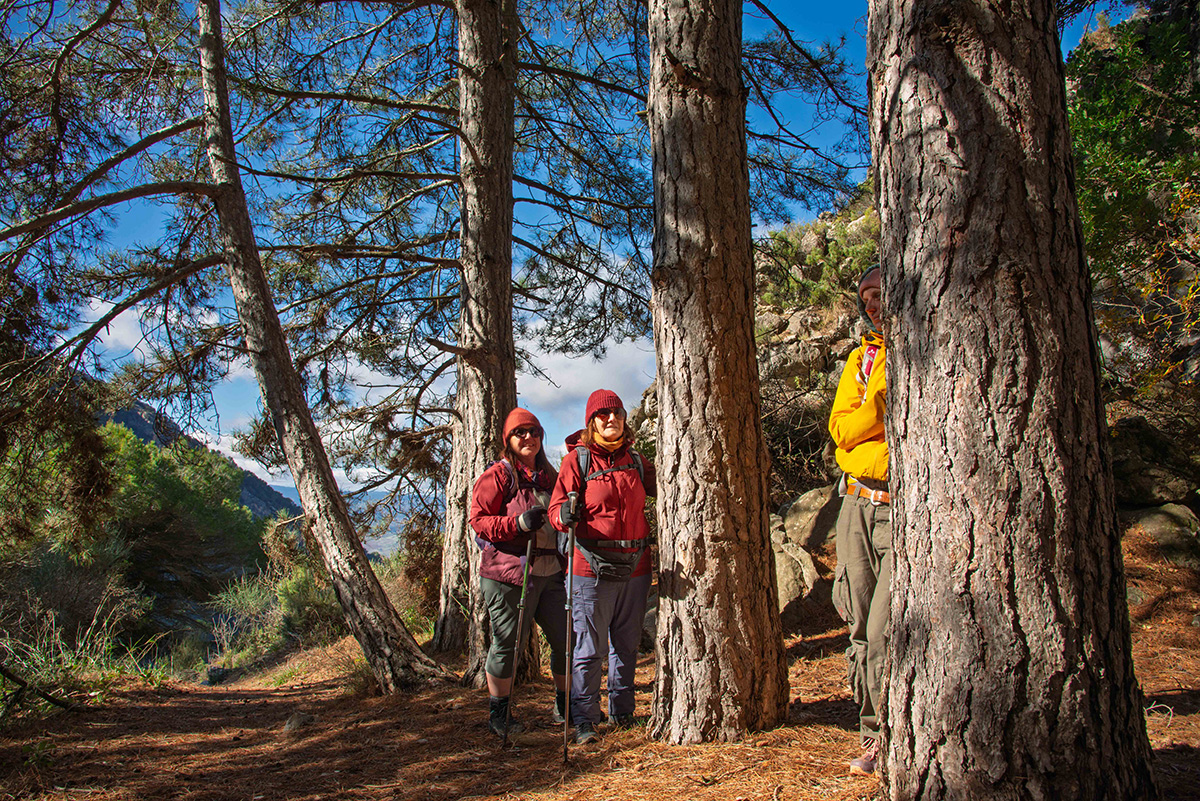
Woodland paths provide another good example. A smartphone can take a lovely photograph of a shaded path winding through the pines above El Chorro, but a dedicated camera often retains more detail in the dark areas while still showing the bright sunlight coming through the trees.
Why Lenses Make a Difference
Perhaps the greatest advantage of a dedicated camera system is the ability to choose the right lens for the job.
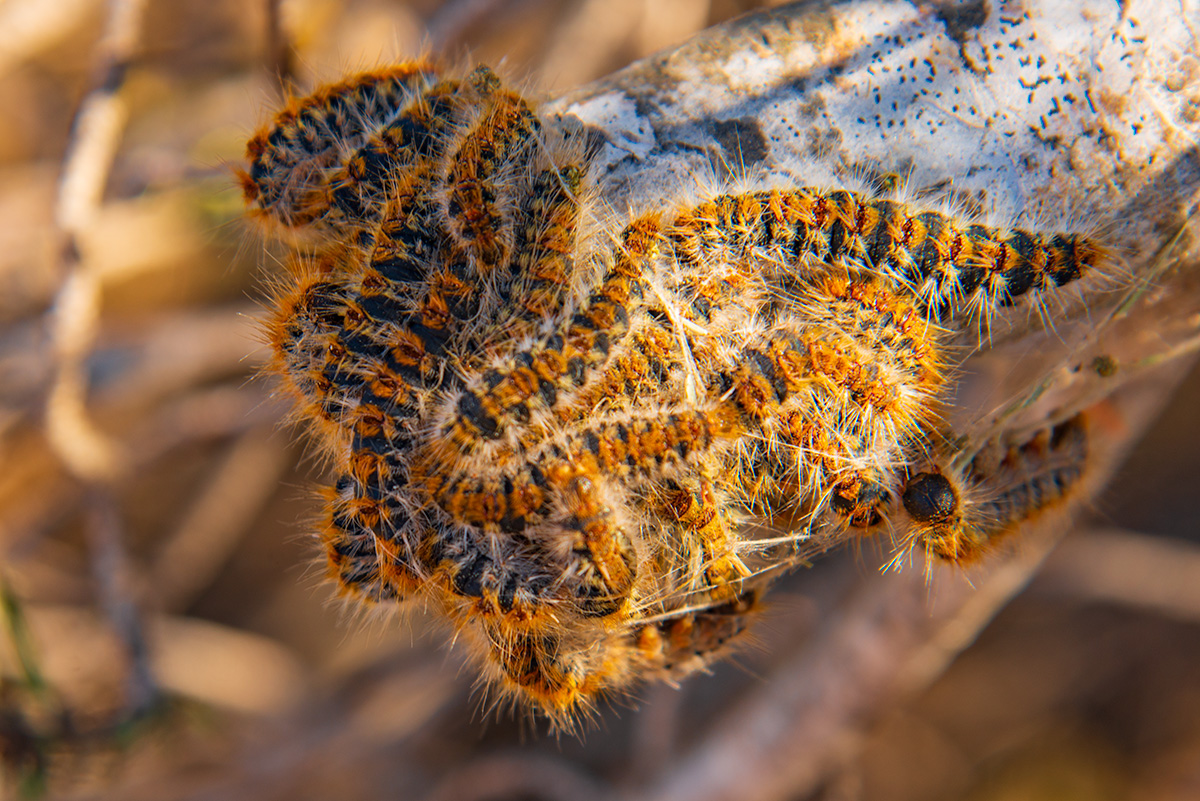
A wide-angle lens can capture sweeping landscapes and dramatic skies. A telephoto lens can bring distant subjects closer. A macro lens can reveal the intricate details of wildflowers, insects, and textures that might otherwise go unnoticed.
Modern phones simulate some of these effects remarkably well, but they are still working within the limitations of very small optics.
Imagine you're on the forestry track beneath the Arabic Steps in El Chorro. Descending the Arabic Steps is a group of walkers, carefully negotiating each step and hugging the steep rock face above them. A smartphone can zoom in and crop, but a telephoto lens lets you pick out the walkers against the landscape, compressing the distance and giving the photo a unique look.
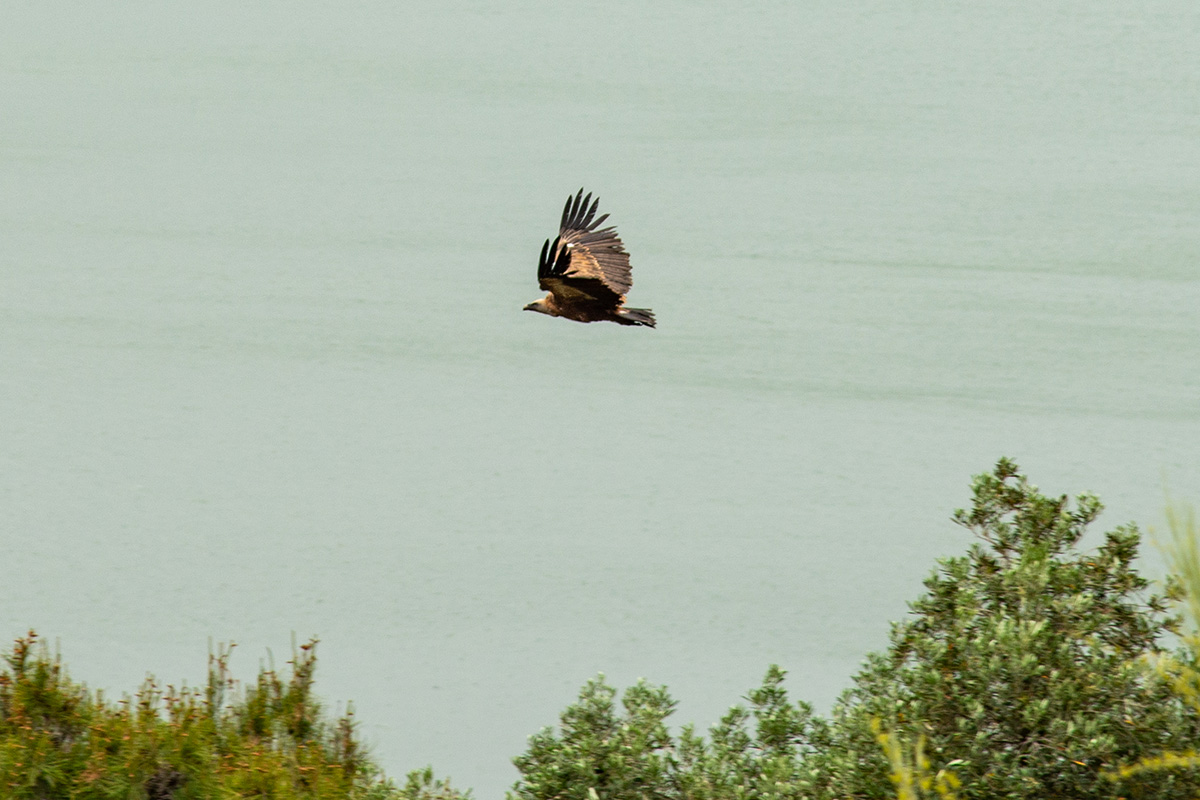
The same goes for wildlife. Seeing a Griffon Vulture glide above the limestone cliffs is a real highlight of walking in Andalucía. A smartphone might catch the moment, but a telephoto lens can often catch the details.
Where Smartphones Really Shine
For many outdoor enthusiasts, a smartphone may be all the camera they ever need. They're light, easy to carry, weather-resistant, and simple to use. You can share photos instantly with friends and family or post them straight to social media. If you want to capture memories from a day out, a holiday, or a favourite walk, today's smartphones are more than up to the task.
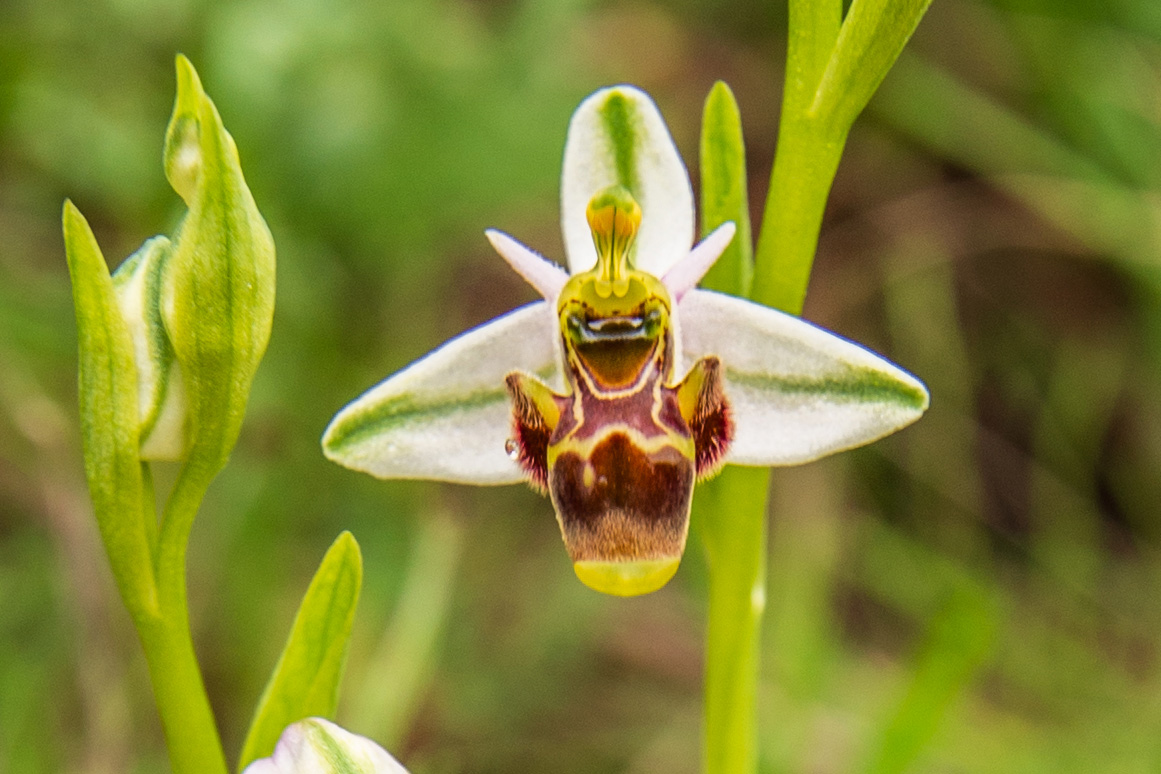
In spring, it's not unusual for walkers on our Wildflowers holidays to spend as much time photographing orchids and other wildflowers as they do walking. Whether it's a bee orchid beside the path, a patch of irises in flower, or one of the many species that thrive on the limestone hills of inland Andalucía, modern phones do a remarkable job of capturing these subjects and often produce results that would have seemed impossible just a few years ago.
Where Dedicated Cameras Still Have the Edge
Smartphones have changed photography, but there are still times when a dedicated camera is clearly better.
Taking photos of wildlife, distant subjects, tricky lighting, making large prints, or shooting for publication all benefit from larger sensors and specialised lenses.
For landscape photography in particular, many photographers still appreciate the flexibility and image quality that a dedicated camera offers.
Being able to compose a shot, pick the right lens, and keep as much detail as possible still matters to people who love the creative side of photography.
Why Photography Is About More Than Cameras
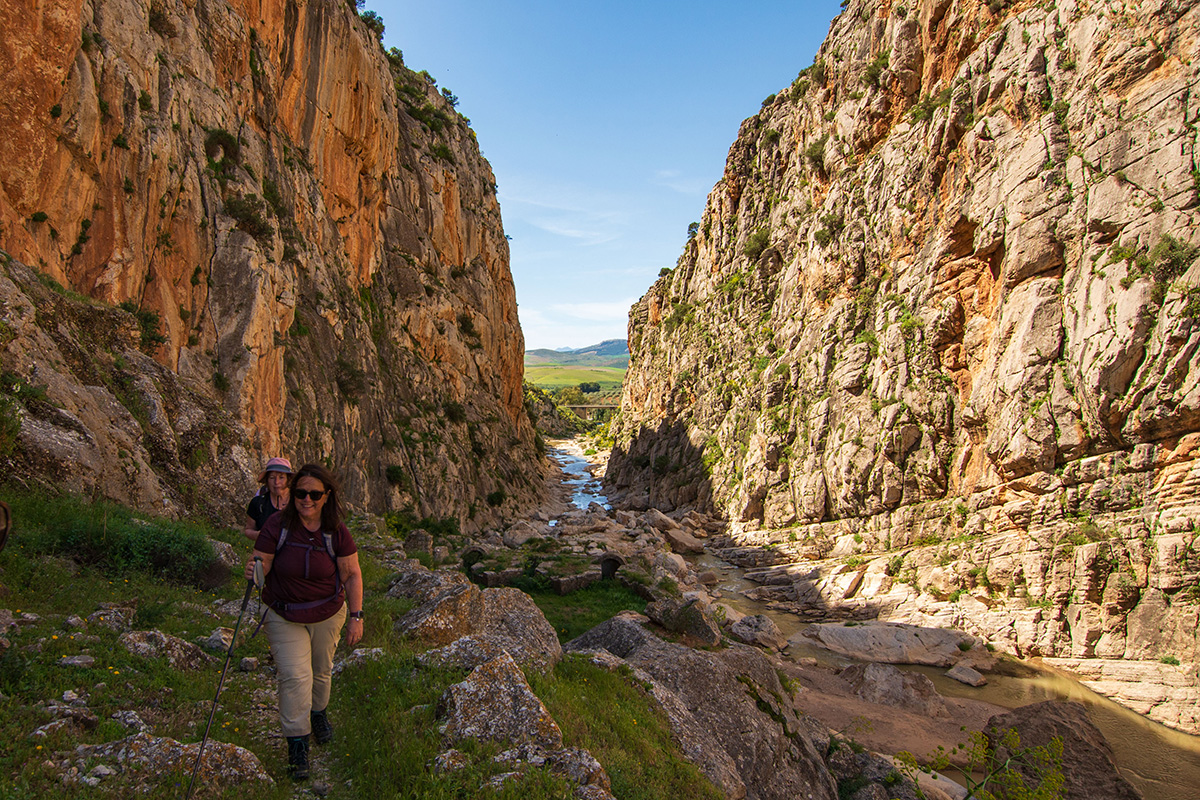
Walking can be exactly the same.
A camera gives us an excuse to stop, look more carefully, and notice the wildflower beside the path, the shape of a limestone cliff, or the way evening light catches a distant ridge.
In many ways, the photograph becomes secondary. The real reward is noticing something you might otherwise have walked straight past.
A Different Kind of Walking Holiday
Writing this article has made me wonder whether there might be interest in a different kind of walking holiday.
I'm not talking about a traditional photography workshop or a technical camera course. Instead, I'm imagining a small-group walking holiday for people who enjoy photography and would simply like to get more out of it.
The idea would be to explore Andalucía's landscapes, wildlife, wildflowers, and geology while using photography as a way of noticing more. We'd look at simple ways to tell the story of a place, use people to create a sense of scale, capture atmosphere and light, and return home with photographs that reflect the experience of being there.
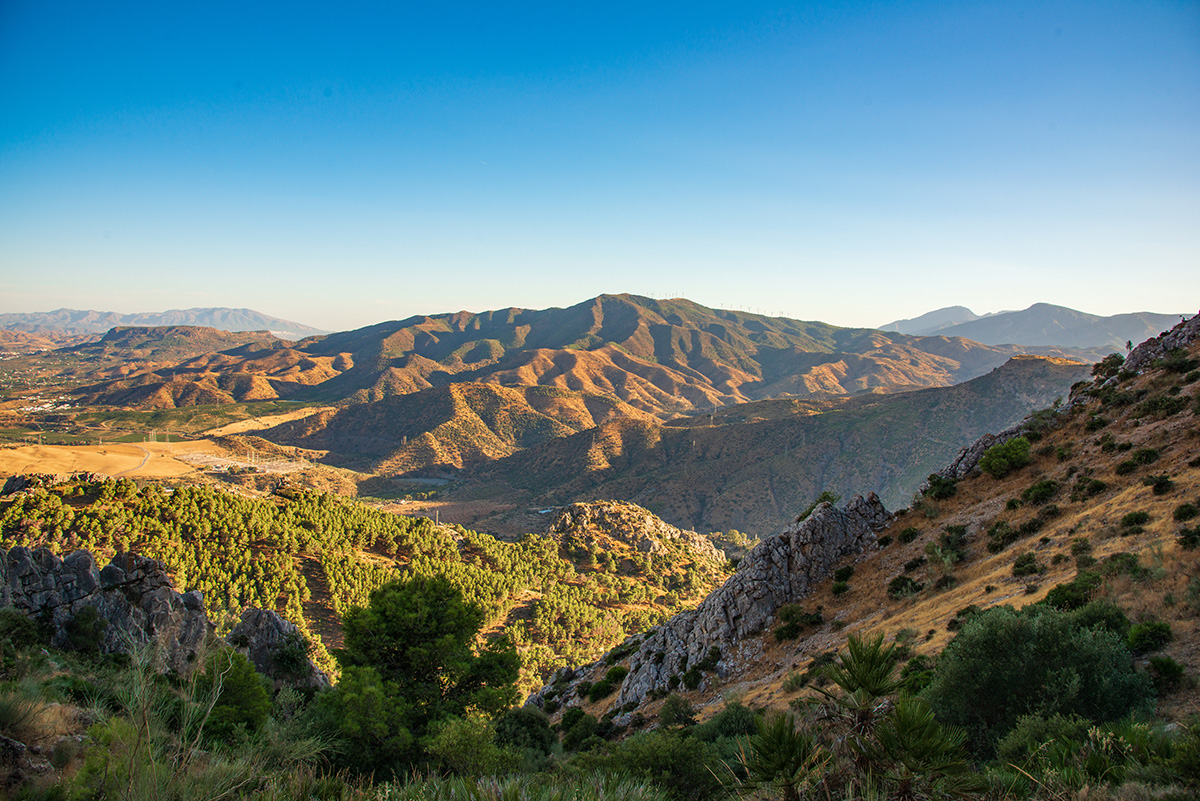
Rather than hurrying from one viewpoint to the next, we'd take time to stop, look around and understand what we're seeing.
The emphasis would be on observation rather than technology. Learning to notice details, understand a landscape and tell the story of a place matters far more than having the latest equipment.
You wouldn't need to own a dedicated camera to take part. If you're curious about photography but aren't sure whether a DSLR or mirrorless camera is for you, I'd like to have a small selection of cameras and lenses available for walkers to try during the holiday.
At the end of each day, we'd look over our photographs together and explore a simple Adobe Lightroom workflow covering importing, organising, editing and exporting images.
After all, taking the photograph is only part of the process. Many people return home from a holiday with hundreds of images and little idea what to do with them next. Learning how to organise, edit and share your photographs can be just as valuable as learning how to take them.
Most importantly, the focus would remain firmly on the walking, the landscape and the experience itself.
