Málaga province packs an extraordinary variety of landscapes into a relatively small area. You don't have to travel particularly far before the countryside begins to look and feel completely different.
You'll experience that on this holiday, because our walks take us into two distinct parts of the province. In the Axarquía, mountains rise steeply behind the Mediterranean, with white villages, terraced hillsides and deep valleys. Travel inland towards the Guadalhorce Valley and the landscape opens out, with broad valleys, reservoirs and great limestone mountains dominating the views.
Yet for all their differences, the two areas have much in common. Both are landscapes that people have lived in and adapted to for centuries, where old paths, agriculture, villages and history remain part of what we encounter as we walk.
Spending time in both gives us the opportunity to experience that contrast firsthand, while also beginning to see the connections between them.
From the Mediterranean to the Mountains
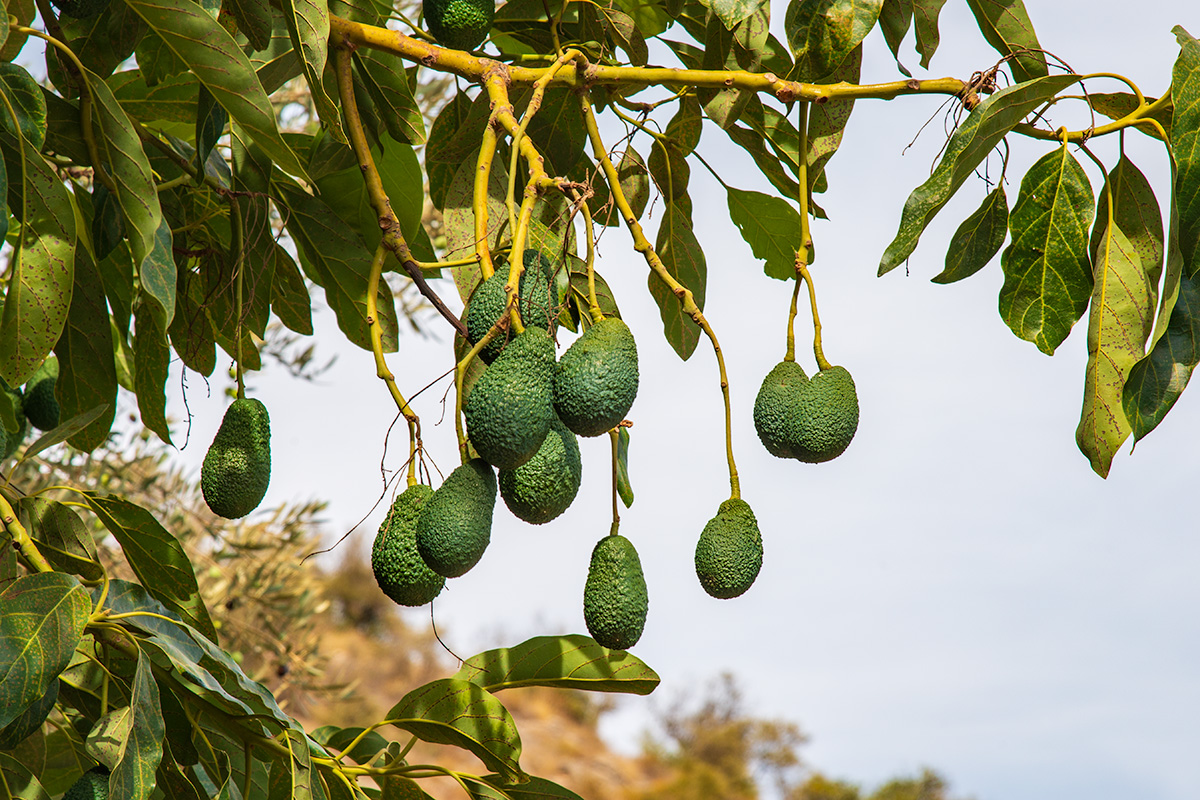
In the Axarquía, the Mediterranean is never far from the story. The mountains rise quickly behind the coast, with deep valleys cutting between them and villages occupying ridges and hillsides. Lower down, mangoes and avocados grow alongside more traditional olive and almond groves, while higher into the mountains the landscape becomes increasingly rugged.
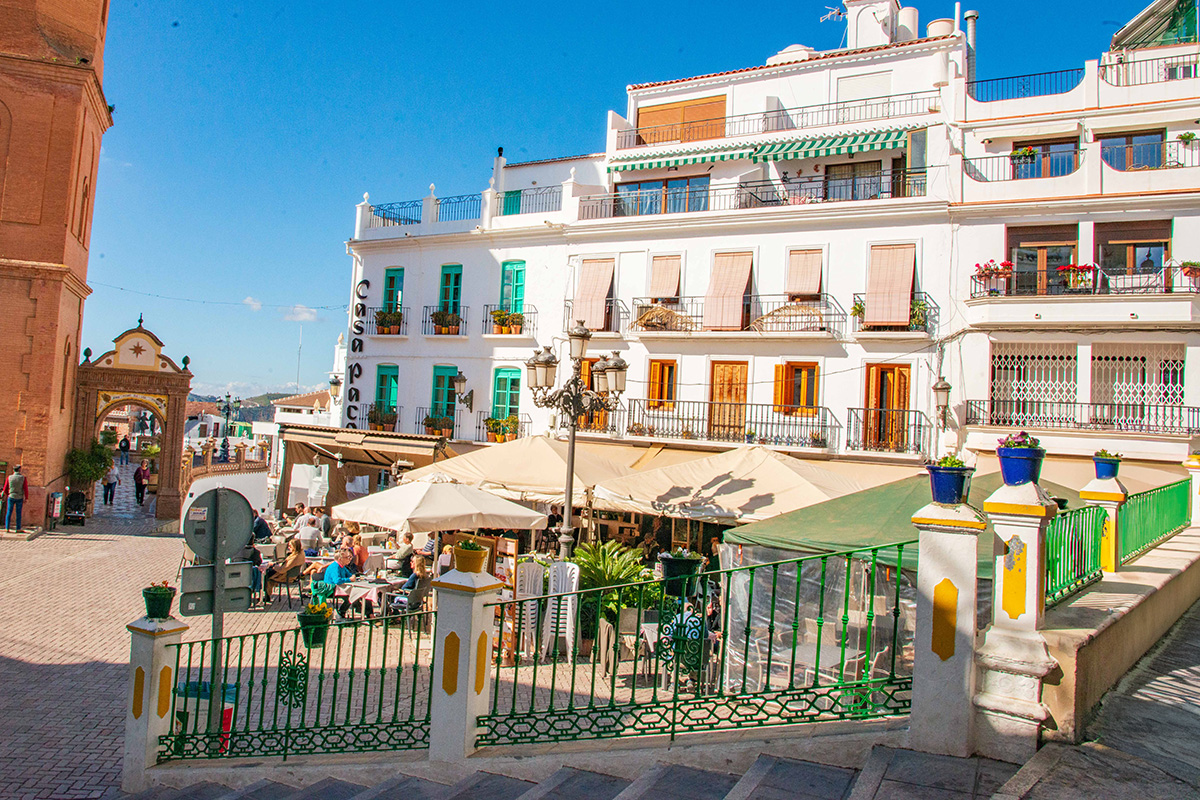
It's this closeness of everything that gives the Axarquía much of its character. A walk can take us from cultivated terraces and orchards onto rocky mountain paths, through a white village or into a river gorge, often with glimpses of the Mediterranean appearing again as we gain height.
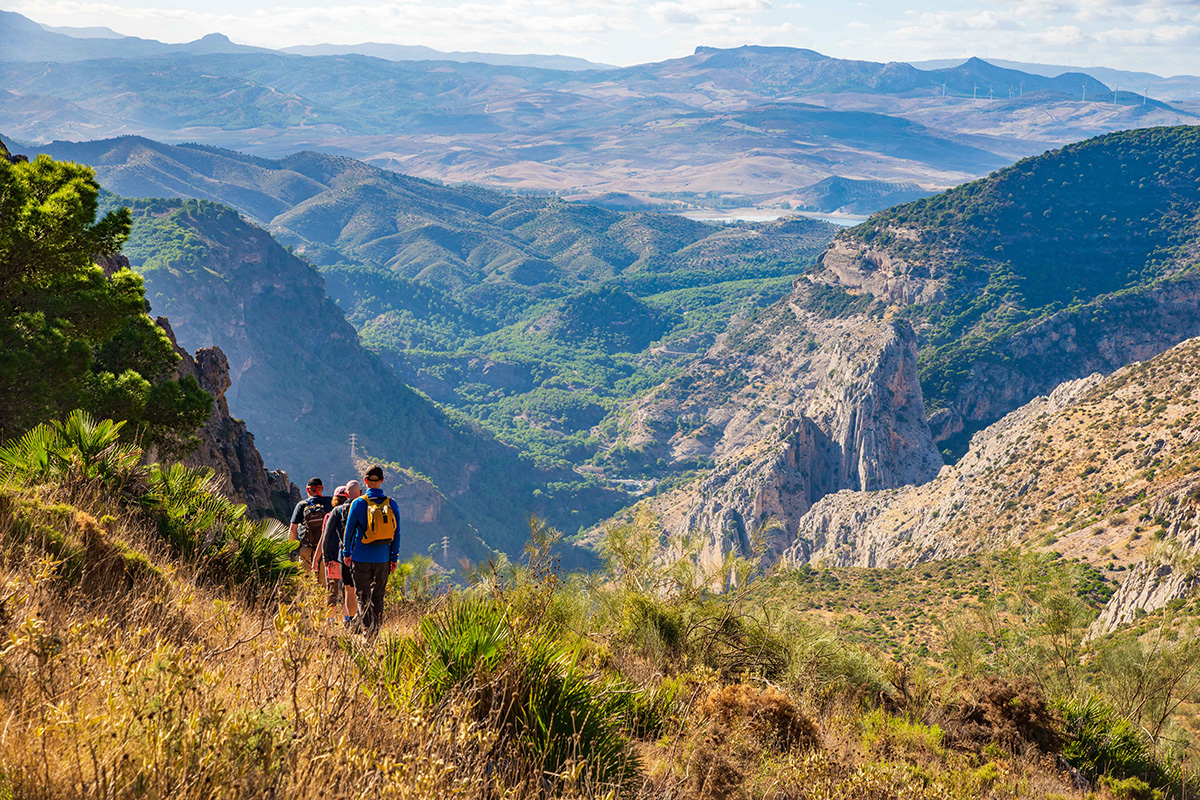
As we travel inland towards the Guadalhorce Valley, the landscape begins to change. The valleys become broader, the views more expansive and great limestone ridges rise above open countryside. Reservoirs fill some of the valleys, while rivers have cut deep through the limestone to create dramatic gorges.
The change can be surprisingly striking considering the relatively short distance between the two areas. We haven't travelled to another part of Andalucía, but the scale and character of the landscape have changed around us. This is one reason walking in both areas works so well, with each revealing another side of the province.
Landscapes Shaped in Different Ways
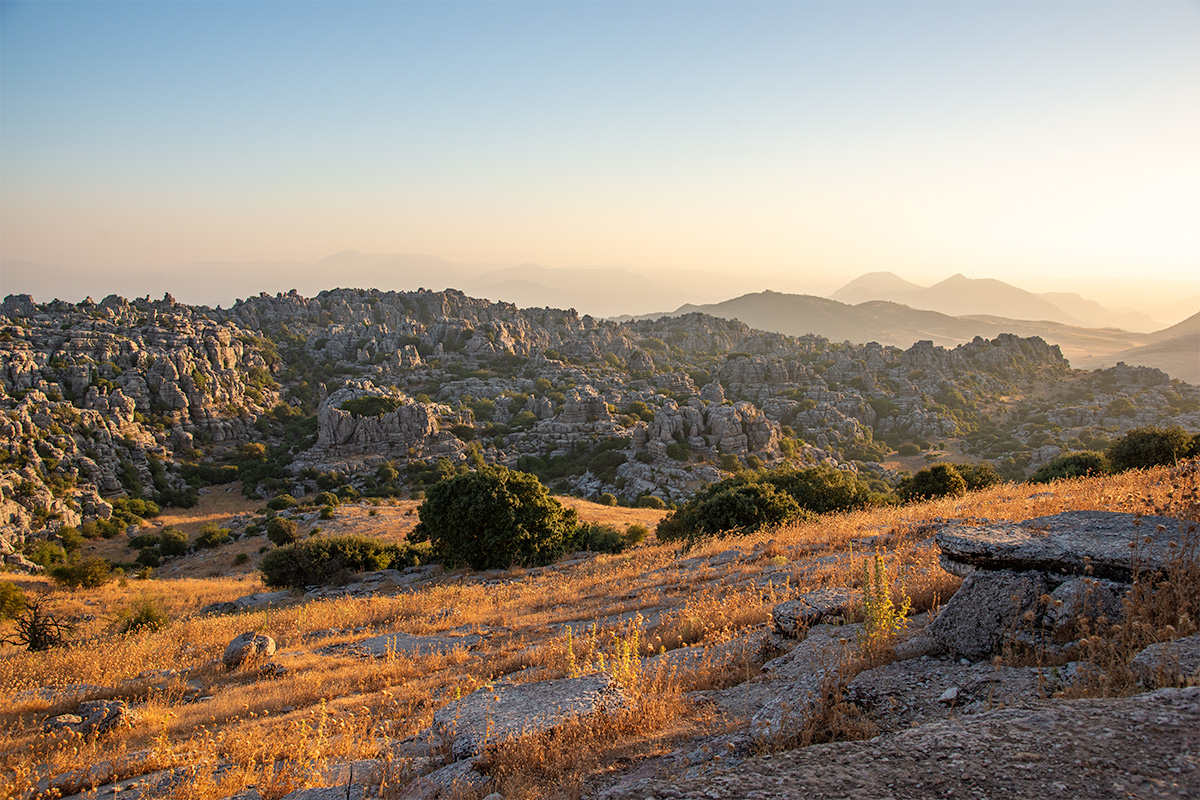
The differences between the two areas become even clearer when you understand how their landscapes formed. In the Guadalhorce Valley, much of the story starts millions of years ago, when areas of what is now southern Spain lay beneath the sea. As the land rose and rivers gradually cut through the limestone, the mountains, valleys, cliffs and gorges we walk through today began to take shape.
You can see that geological story particularly clearly at El Torcal, where weathering has created extraordinary limestone formations, and around the Gaitanes Gorge, where the river has cut deep between towering cliffs. Even without knowing the geology in detail, understanding how these features developed changes the way you look at them.
In the Axarquía, another process of change is particularly visible. Generations of people have adapted its steep hillsides for farming, building terraces, creating paths and carrying water across the slopes through networks of acequias. Orchards and cultivated land spread across terrain that would otherwise have been extremely difficult to farm.
The forces shaping these two landscapes may be very different, but both have left stories that we can still read as we walk. In one, the underlying geology is dramatically exposed; in the other, centuries of human adaptation are written across the mountainsides.
History Along the Path
People have lived in and moved through both these landscapes for thousands of years, and much of that history remains surprisingly visible. The paths we follow weren't created for walking holidays. They connected villages, farms and places of work, while natural routes through the mountains linked the coast with inland Andalucía.
In the Guadalhorce Valley, the story reaches back to some of the region's earliest communities. The caves at Ardales preserve evidence of people who lived here thousands of years ago, while the Dolmens of Antequera were built by some of the area's first farming communities. Later came Roman settlements and routes, Moorish castles and fortified towns, followed by the churches, convents and market towns that became part of the landscape after the Christian reconquest.
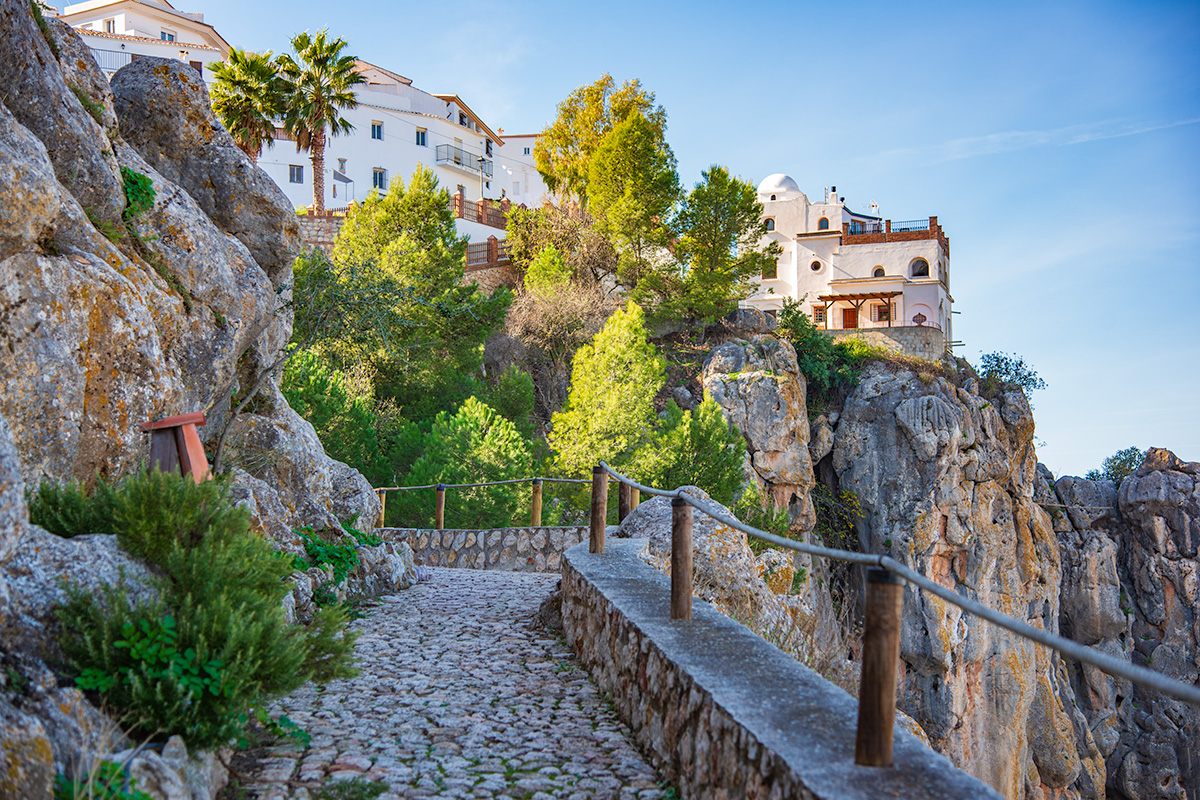
The Moorish inheritance is particularly visible as we move through the Axarquía. White villages grew within steep agricultural landscapes where terraces made cultivation possible, and acequias carried water across the hillsides. Old paths connected these communities, and many remain part of the routes we walk today.
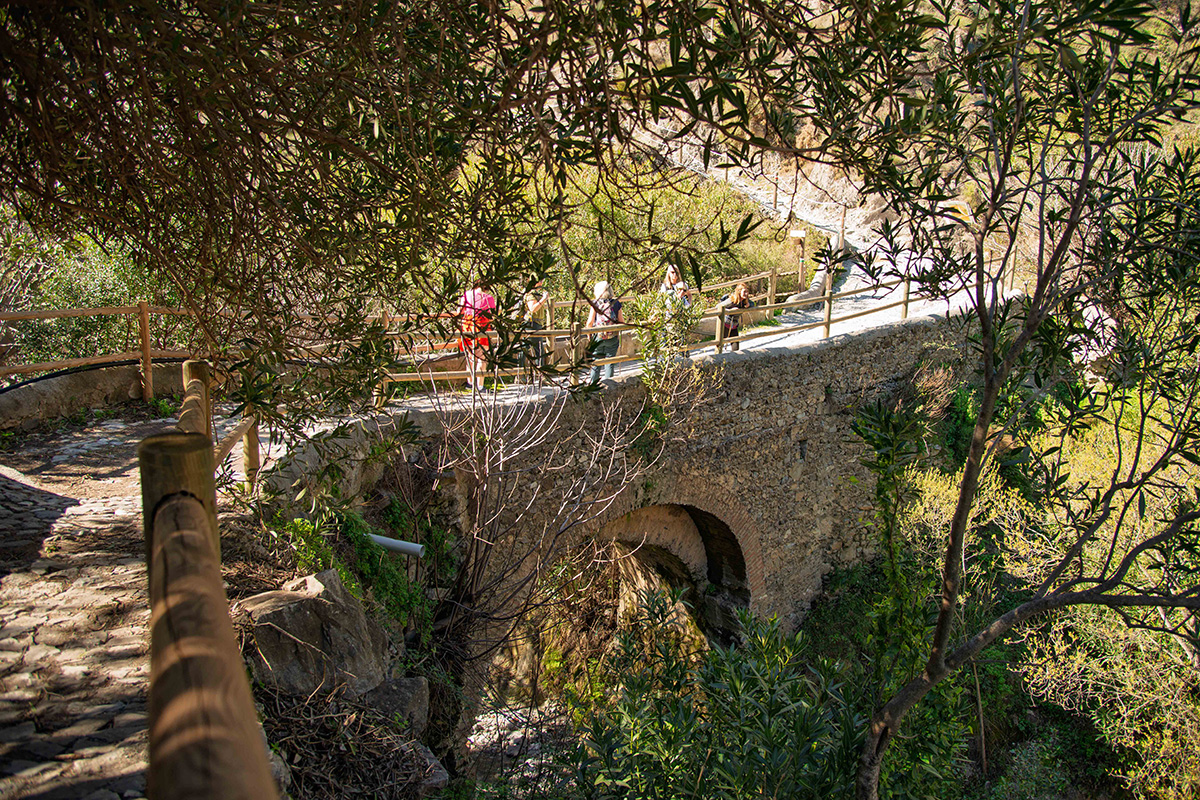
As we walk, it becomes clear how naturally these different periods sit alongside one another. We might follow an old agricultural path in the morning, pass beneath the remains of a Moorish fortress and later stop in a village square where everyday life continues around us. The history isn't separated from the walking. It's simply part of the landscape we're moving through.
Walking Between Two Andalucías
The contrast between the two areas becomes most apparent when we're actually out walking. In the Axarquía, the landscape often feels more intimate. Paths wind around steep hillsides, drop into river valleys and climb towards white villages, with terraces, orchards and small farms never far away.
Walking in the Guadalhorce Valley can feel much more expansive. Trails open onto broad views across the countryside; limestone mountains dominate the skyline, and the reservoirs add another character to the landscape. Even when we're walking beneath the cliffs of the Gaitanes Gorge, the sense of scale feels quite different from the more tightly folded valleys of the Axarquía.
That change in character means the walking never feels repetitive. One day we might follow an old path through terraced hillsides with the Mediterranean in the distance; another, walk beside a reservoir beneath great limestone mountains. Yet neither feels disconnected from the other.
Both are unmistakably Andalusian landscapes, but they reveal themselves in different ways. Experiencing them on foot gives us time to notice those differences, while also beginning to recognise how much they share.
What They Have in Common
Despite the differences in scenery, moments make the connection between the two areas much clearer. Olive groves and cultivated land remain part of both landscapes, old paths still lead us towards villages, and wildlife is never far away. Griffon Vultures circle above the mountains, Spanish Ibex move across rocky slopes and, at the right time of year, Bee-eaters bring flashes of colour to the countryside.
The walking also has a rhythm that feels familiar in both. We have time to stop for a view, notice something beside the path or wander through a village rather than simply passing through it. And if there's a good café along the way, there's every chance we'll stop for a coffee or a few tapas.
Perhaps that's where the two areas feel most closely connected. Neither is simply countryside that we're walking through. These are lived-in landscapes, shaped by generations of people who have farmed the land, built communities and travelled the same hills and valleys.
By the end of the holiday, I hope you'll have a sense of what makes each area distinctive. The Axarquía, with its steep valleys, terraced hillsides and Mediterranean influence, contrasts strongly with the broader landscapes, reservoirs and limestone mountains of the Guadalhorce Valley.
But I also hope you'll have noticed what connects them: the old paths beneath our feet, villages that remain part of everyday life, wildlife along the way, and landscapes shaped by both nature and generations of people.
That's one of the pleasures of walking in both areas. We don't have to travel far to experience two very different sides of Andalucía, and perhaps understand each of them a little better because we've experienced the other.