
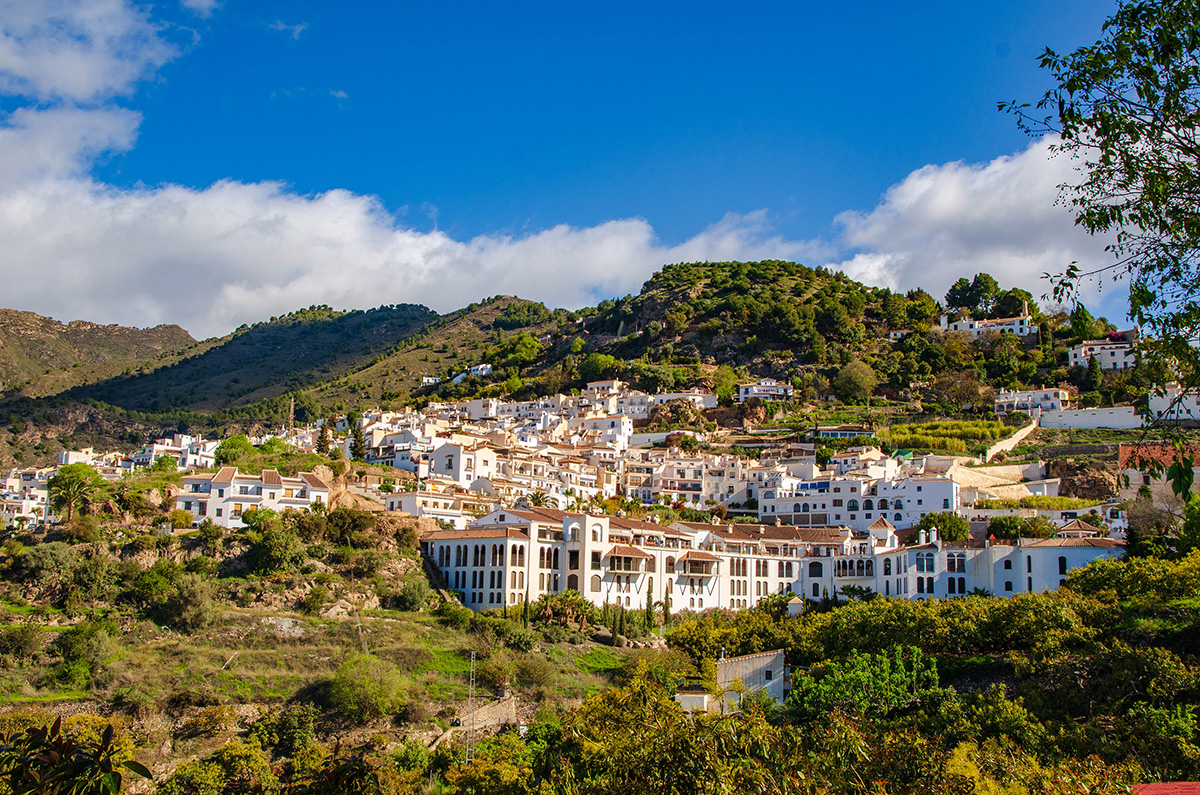
The White Villages are some of my favourite places to walk. They're certainly beautiful, but once you understand why they look the way they do, you begin to see them differently.
Nothing about these villages happened by accident. Their hilltop locations, narrow streets and whitewashed houses all had practical reasons, shaped by the landscape and the people who made their lives here over hundreds of years.
Once you know what you're looking at, you start to see these villages very differently.
A Landscape That Shaped the Villages
The White Villages grew over hundreds of years, adapting to the steep hillsides, deep valleys and rocky ridges that make the Axarquía such a distinctive place to walk.
Water was just as important as the landscape itself. Villages grew where there were reliable springs and where water could be channelled to the surrounding fields using acequias, the irrigation channels that became a defining feature of the Moorish landscape. The surrounding hillsides provided space to grow crops and keep livestock, and every village found its own way of working with the land rather than trying to change it.
That's why you'll often find yourself climbing a steep village street one minute and walking through irrigated terraces fed by ancient acequias the next. The landscape shaped these villages, the farmland around them and the way people lived for centuries. Even today, it's impossible to imagine one without the other.
The Moorish Legacy
The White Villages we see today owe much of their character to the Moorish period. The narrow streets, closely built houses and the way each village follows the shape of the hillside all reflect a practical way of building that suited both the landscape and the climate.
The streets weren't designed to be wide or straight. They developed to make the best use of the available space, while also providing welcome shade during the hottest months of the year. Even today, you'll often notice how much cooler those narrow streets feel compared with the open squares.
Although the villages have changed over the centuries, many of the features that make them so distinctive today have survived. That's one of the reasons they feel so different from villages elsewhere in Spain.
Why Are the Villages White?
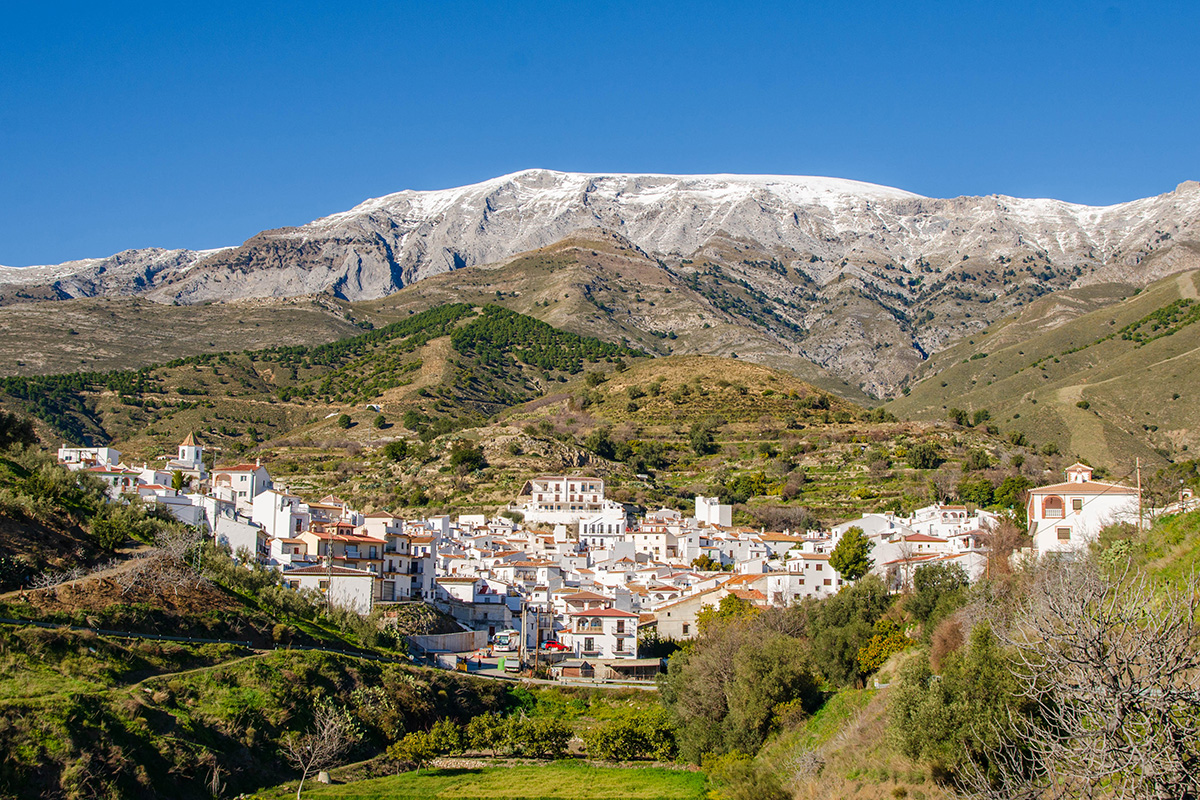
Without the whitewashed houses, these wouldn't be the White Villages, or Pueblos Blancos as they're known in Spain. But they weren't painted white simply because they looked attractive.
For centuries, villagers used limewash to protect their homes. It was inexpensive, easy to apply and also reflected the strong Andalusian sunshine, helping houses stay cooler during the summer.
Over time, whitewashing became part of village life. Homes were regularly refreshed, usually before local festivals, and over time the bright white appearance became part of their identity.
Today, modern paints are often used instead of traditional limewash, but the tradition remains. It's hard to imagine these villages looking any other way.
Built for the Hills
Walk through any of the White Villages, and you'll soon realise there's very little level ground. Streets climb steeply, houses seem to sit on top of one another, and every available space has been used.
That wasn't poor planning. It was simply the most practical way to build in a landscape like this.
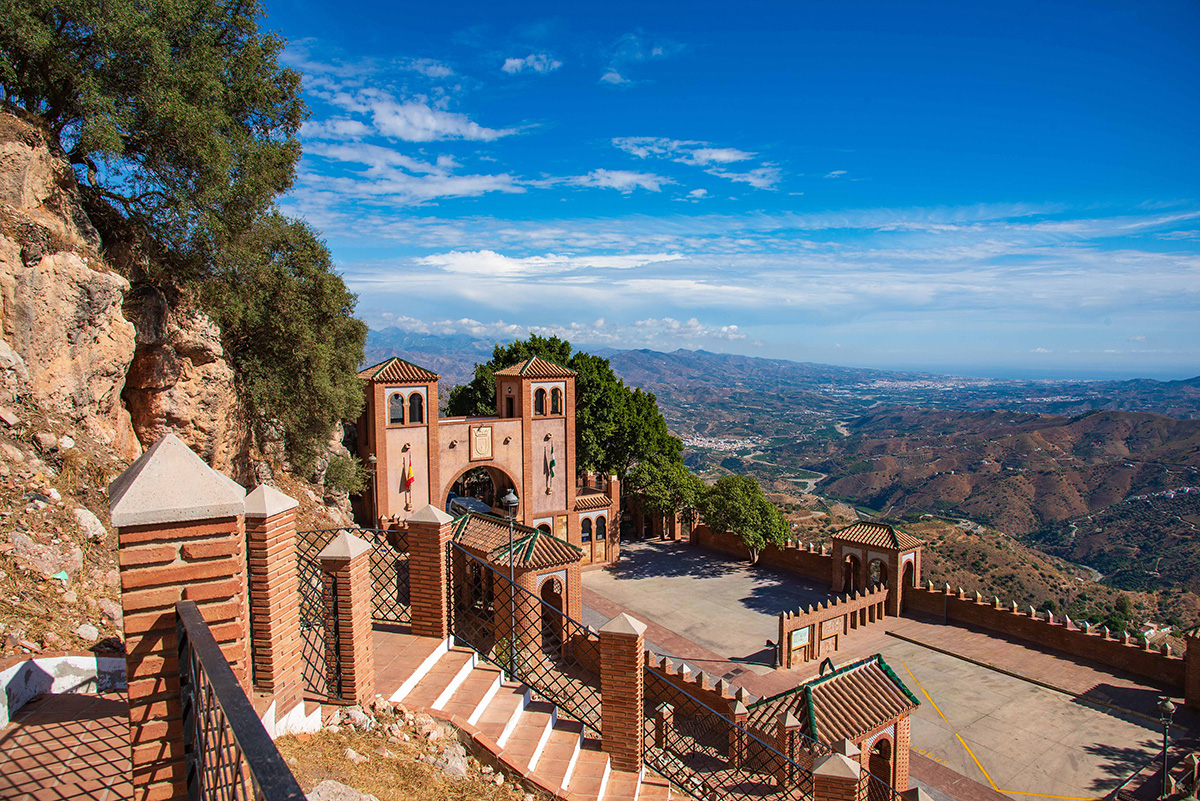
Villages such as Comares are a good example. Perched high above the surrounding countryside, it offered reliable water, good farmland nearby and far-reaching views across the surrounding valleys. Building on higher ground also made it easier to see anyone approaching long before they reached the village.
As the villages gradually grew, they followed the shape of the hillsides beneath them. That's why the streets twist, climb and narrow, creating the villages we enjoy exploring today.
Walking Through the Villages Today
One of the reasons I enjoy walking through the White Villages is that they're never just somewhere to pass through on the way to the next trail. They're every bit as much a part of the walking holiday as the countryside between them.
Once you understand why these villages look the way they do, you start to notice things you might otherwise walk straight past. The narrow streets make sense. The steep climbs make sense. Even the way the houses seem to fit naturally into the hillside begins to tell its own story.
That's one of the reasons I never see the villages as just a stop for coffee. Whether we're taking a break, enjoying the views or simply wandering through the streets, they're places to slow down, look around and enjoy. Understanding a little of their history simply makes that experience even richer.
Still Shaped by the Past
The White Villages are still places where people live and work. Although life has changed over the centuries, the streets, houses and the surrounding landscape still reflect many of the decisions made hundreds of years ago.
That's what makes them so interesting. The past hasn't disappeared; it's simply become part of everyday life. Once you understand that, you begin to see the White Villages very differently.
